


In 2025, voice search isn’t just a trend—it’s a fundamental shift in how people interact with the internet. With over 157 million U.S. users regularly engaging with voice assistants like Siri, Alexa, and Google Assistant, optimizing your content for voice search is no longer optional. For businesses seeking to grow their online presence, it’s essential for staying competitive and visible in an increasingly voice-first digital landscape.
Understanding the Voice Search Shift
Traditional SEO often revolves around short, keyword-heavy phrases. Voice search, however, is inherently conversational.
Users now ask full-sentence questions such as:
- “How can I improve my website’s search visibility?”
- “What digital marketing strategies will grow my business online?”
- “Which social media campaigns generate the highest ROI?”
This shift necessitates a change in how we approach content creation and optimization.
Strategies for Optimizing Content for Voice Search
1. Embrace Conversational Language
Write your content as if you’re having a conversation with your audience. This aligns with how people naturally speak and search online. For instance, instead of a heading like “Digital Marketing Services,” use “What digital marketing services can help my business grow online?”
2. Target Long-Tail Keywords and Question Phrases
Voice searches are longer and more specific than traditional queries. Incorporate long-tail keywords and question-based phrases into your content. Tools like AnswerThePublic and Google’s “People also ask” can help identify the most common questions in your industry. For example:
- “How do I improve my website’s SEO in 2025?”
- “What’s the best way to increase leads with a social media strategy?”
3. Optimize for Featured Snippets
Voice assistants often pull information from featured snippets. Structure your content to provide clear, concise answers to common questions related to your services. Use bullet points, numbered lists, and short, direct responses to improve readability and the likelihood of being featured.
4. Implement Structured Data (Schema Markup)
Structured data helps search engines understand your content. By using schema markup—like FAQ or HowTo—you can improve your chances of appearing in voice search results for queries such as:
- “How can Dsquared Media improve my website’s performance?”
- “What digital strategies help small businesses rank higher on Google?”
5. Focus on Local SEO
Many voice searches are local in nature. Ensure your business is discoverable by optimizing Google Business Profiles, using location-specific keywords, and creating content that addresses local queries, such as:
- “Which marketing agencies are best for businesses in Boca Raton?”
- “How can I find a local web design company near me?”
6. Prioritize Mobile Optimization
Since many voice searches happen on mobile devices, having a fast-loading, mobile-friendly website is crucial. A seamless user experience ensures that your content is easily accessible, keeping users engaged and more likely to convert.
The Future of Voice Search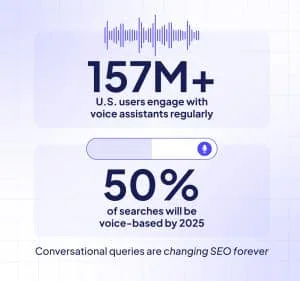
Voice search technology is evolving rapidly. To stay ahead, businesses must focus on user intent, leverage AI-driven insights, and adapt to emerging patterns. For companies like yours, this means continuously refining digital marketing strategies, SEO, and content creation to meet the conversational needs of modern searchers.
Conclusion
Optimizing for voice search requires a shift in mindset—from focusing solely on keywords to addressing user intent through conversational content. By implementing these strategies, businesses can increase visibility, engage audiences more effectively, and remain competitive in an ever-changing digital landscape.
For more insights and strategies on voice search optimization and digital marketing, learn more here.